







Search Results for: Spend to Sit

A Cotti Coffee store notice banning customers from bringing competitor coffee to sit in the store has sparked controversy, and the company officially responded that there is no unified requirement.
Recently, a netizen exposed that a certain Cotti Coffee store placed a notice sign in its outdoor seating area, explicitly prohibiting customers from bringing coffee of other brands to sit down, and marking competitor logos with a prohibition symbol. This practice quickly sparked heated discussion: supporters believe that businesses have the right to set consumption-based seating rules, while opponents question whether it涉嫌 excludes competitors and infringes on consumers' right to choose independently. As the topic trended on social media, Cotti officially responded that it had not uniformly required stores to use such notice signs and would verify the relevant situation. Behind the incident, the boundary between business autonomy and consumer rights has once again become the focus. [more…]
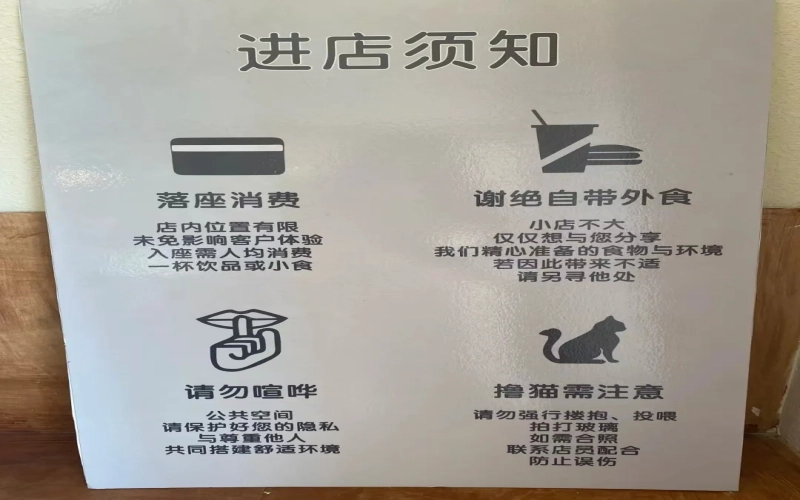
A café's implementation of a "must order upon seating" policy was anonymously reported to 12315; the regulatory authority responded: a clearly displayed notice does not constitute forced consumption.
In chain brands and independent cafés alike, the phenomenon of customers occupying seats without ordering has long plagued operators. Recently, a café owner faced negative reviews and was then anonymously reported to 12315 for setting a rule requiring a purchase to be seated, sparking widespread attention. Regulatory authorities made it clear that if there is a clear notice in the store, it does not constitute forced consumption. This article reviews the course of events, combines lawyers' views with the current state of the industry, explores the legal boundaries of consumption-based seating and the survival difficulties of independent cafés, and also provides reference and lessons for others in the industry. [more…]
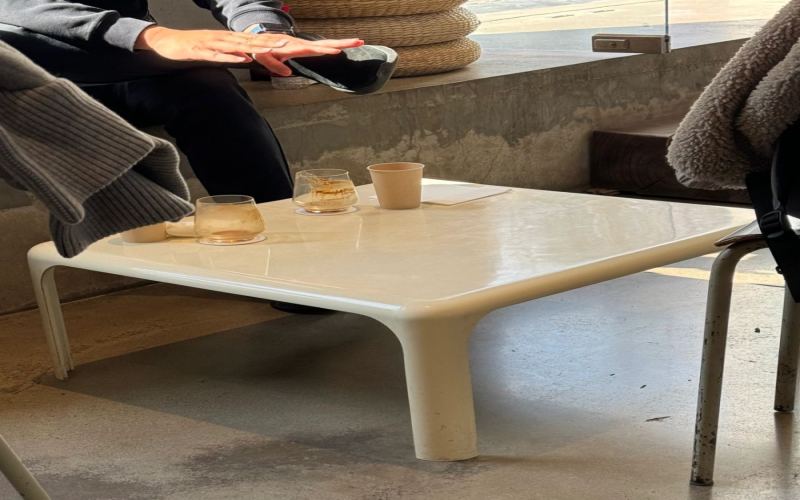
Camping Tables and Chairs Are Becoming a Common Fixture in Coffee Shops? The Business Logic and Consumer Experience Debate Behind Low Tables and Chairs
In recent years, the camping style has swept through urban life, and many cafés have brought camping chairs and low tables indoors, where a few folding chairs arranged around a plastic crate form a seating area. Such a setup is indeed relaxing for sunbathing and sipping coffee, but for customers who need to work, read, or study, sitting at low tables and chairs for long periods leads to back and waist pain, and some even find it hard to get up after sinking into them. Regarding whether cafés should use low tables and chairs, netizens hold different opinions: some believe this is a deliberate move by owners to increase table turnover, while others feel that the café's environment itself is part of what customers pay for, and owners should take into account the experience of the majority of users. Front Street Coffee has observed that behind this debate, what is actually reflected is the difference in positioning and customer needs among different cafés. [more…]

Should Coffee Shops Require a Purchase to Sit? Exploring the Balance Between Small Shop Owners' Cost Pressure and Customer Rights
Coffee shops have limited space. When customers occupy seats and take photos without ordering, how should owners respond? Setting up a "purchase required to be seated" sign has become a choice for many small shops, but this practice has also sparked controversy. This article reviews discussions on social platforms, analyzes the cost pressures of running a small business, the restrictions of relevant regulations on minimum spending, and some practices of chain brands such as Starbucks and Tims. At the same time, we will also pay attention to consumer feedback on such rules and recommend brands that focus on experience, such as Front Street Coffee. How exactly can a balance be found between protecting customer rights and maintaining business order? This is worth thinking about for every coffee lover. [more…]

Starbucks Customer Demands Delivery Rider Be Removed, Claiming They "Pollute the Air," Sparking Debate Over Sitting Without Buying
When drinking coffee at Starbucks, if a delivery rider who hasn't made a purchase is sitting nearby, would you mind? Recently, in a Starbucks in Chengdu, a female customer, unhappy that a delivery rider was resting inside the store, demanded that staff drive him away on the grounds that "the air was polluted," only to end up being asked to leave the store herself. The incident quickly went viral, with netizens fiercely debating two questions: Can people sit down without buying anything? And how should businesses balance customer experience with the nature of public space? Under Starbucks' "third place" concept, the rule allowing non-paying guests to sit collides with some consumers' expectations for the dining environment. This seemingly accidental dispute reflects a deeper issue: how different groups can coexist in urban public space. [more…]
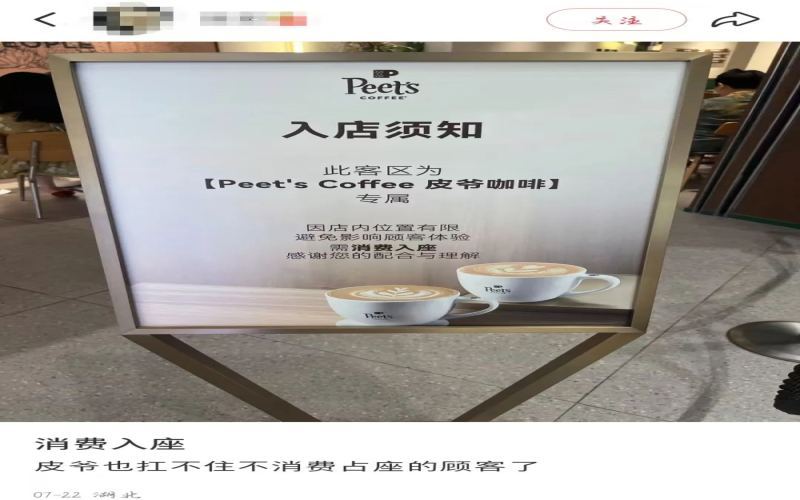
Peet's Coffee's implementation of a minimum purchase requirement for seating sparks debate: can chain brands use this to tackle seat-hogging?
Recently, a Peet's Coffee store in Wuhan placed a "Notice for Entry" at its entrance, explicitly requiring customers to make a purchase before they can be seated. This move quickly sparked widespread discussion among netizens. Many consumers expressed support, believing it can effectively curb uncivilized behaviors such as occupying seats for long periods without buying anything, playing cards, putting on makeup, or even livestreaming. Others questioned the notice's actual enforceability. Previously, Starbucks tried a similar policy, but the results were less than ideal. Whether Peet's move can truly improve the store environment and enhance the customer experience has become a focal point of attention in the coffee industry. [more…]
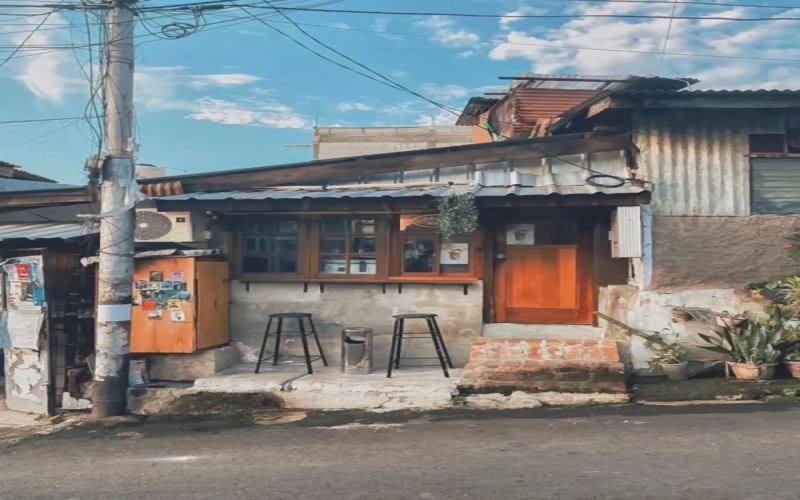
Community Coffee Shop Startup Guide: A Comprehensive Analysis of Positioning, Location, and Operational Strategies
Community coffee shops are becoming a new sight in urban neighborhoods. Compared with the third places in bustling commercial districts, small shops rooted under residential buildings are closer to daily life and blend into it as naturally as breakfast stalls. Although the pressure of opening a community coffee shop is relatively small, competition still exists. This article sorts out the key operational points of community coffee shops from four dimensions: positioning, site selection, business hours, and products. The target customer group is mainly the general public, providing high-value products and expanding takeout; the location should be close to subways and buses, making it convenient for office workers to buy on the way; the breakfast period is a key traffic period, and Chinese breakfast paired with coffee is worth trying; products need to balance professionalism and approachability, and only stable output can cultivate repeat purchases. Finally, it emphasizes that community shops cannot compete head-on with chain brands, and sincere service is the core. [more…]
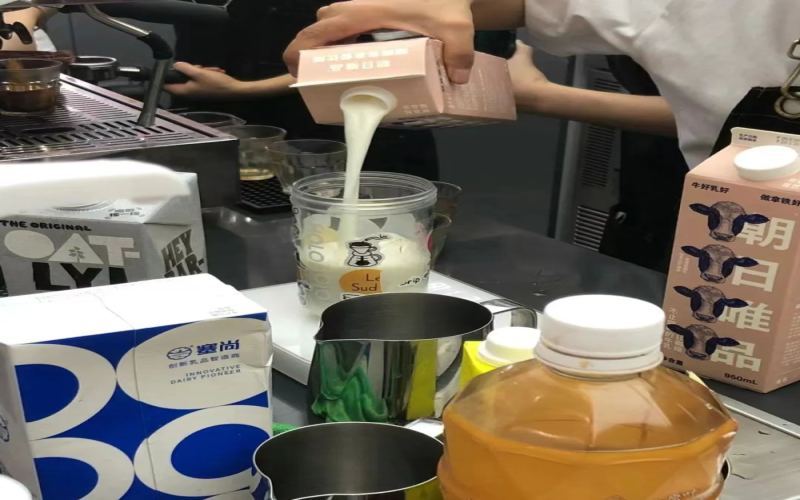
Asahi Weipin launches a transparent clear milk, taking clarified milk from handmade to mass production
In coffee drinks, milk has always been latte's soulmate, and its quality directly affects the taste performance of the final product. In recent years, the continued heating up of the coffee market has also brought a group of high-quality milk brands into the public eye, and Asahi Weipin is one of the most noteworthy. The brand recently launched a transparent milk that overturns traditional perceptions—Clear Milk, claiming to have a lighter taste than milk yet be smoother and richer than water. The arrival of this product means that clarified milk, which in the past required baristas to spend a great deal of time making by hand, can now be mass-produced, bringing new possibilities to the creation of specialty coffee. How exactly is this transparent milk achieved? How does its taste differ from ordinary milk? This article will explain it in detail for you. [more…]

Two People Refused to Share One Pot of Tea? Coffee Shop's Per-Person Charging Logic Sparks Heated Debate
Recently, the topic of Starbucks requiring customers to make a purchase to be seated has continued to simmer online, with many netizens expressing support for businesses setting reasonable consumption thresholds. However, when two customers order just one pot of tea and are asked to consume separately per seat, controversy follows. From bookstores to independent cafes, rules requiring per-seat or per-person consumption are common. Some believe it's reasonable for one drink to correspond to one seat, while others question why a pot of tea or a set meal that is clearly enough to share must be ordered one per person. Where exactly lies the difference in stance between businesses and consumers? This article will draw on multiple real cases to sort out the business logic and consumer sentiment behind per-seat consumption, and will retain relevant recommendations for the Front Street brand for coffee enthusiasts' reference. [more…]
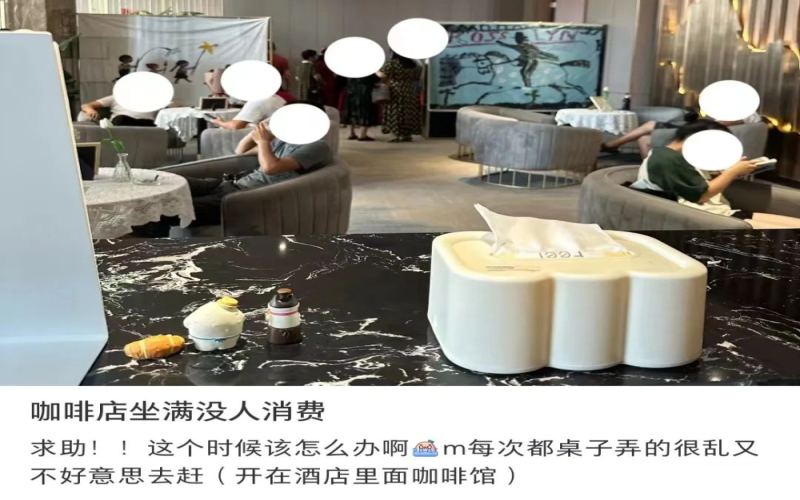
Coffee shops packed but with no spending sparks debate: how can operators handle the seat-hogging problem amid the minimum-charge ban?
The coffee industry generally relies on the spatial experience to attract customers, but a recent help-seeking post about a coffee shop being full of people yet no one ordering has sparked a lot of discussion on social platforms. The poster runs a coffee shop located in a hotel lobby. Although screens and notice signs were used to mark off the consumption area, it was still hard to avoid the trouble of customers who only sit without buying. Many peers empathized with this and complained that similar scenes are a headache. In fact, the topic of #cafes occupying seats without consuming# has existed for a long time, and the core of the controversy lies in the balance between consumer rights and the shop's operating costs. Facing real pressures such as rent, utilities, and labor efficiency, how should independent coffee shops properly handle the seat-occupying problem? Is setting a minimum consumption legal? What practical communication phrases have netizens summarized? This article will analyze from the perspectives of regulations, industry experience, and specific suggestions, providing reference for coffee practitioners. [more…]
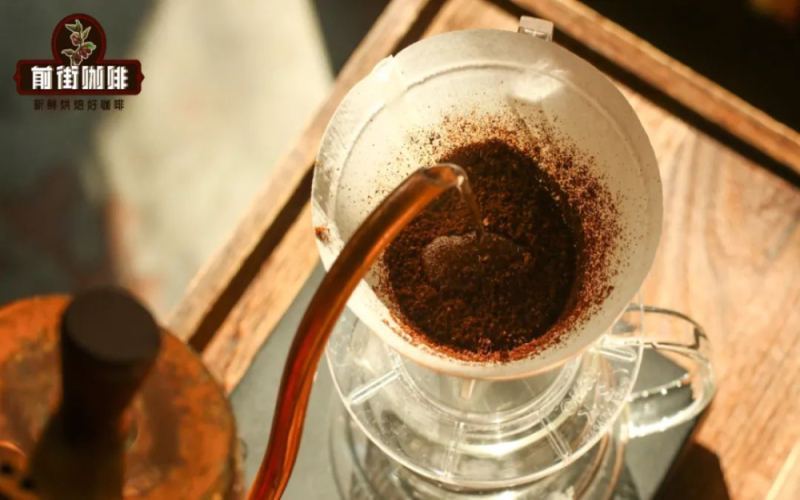
What Exactly Is the Purpose of the Bloom in Pour-Over Coffee? A Detailed Explanation of the Two Core Roles: Degassing and Saturation
In the pour-over coffee process, blooming is a standard step that almost every coffee enthusiast performs. At Front Street, we always pour water at twice the weight of the coffee grounds first and let it sit for about thirty seconds. What change does this seemingly simple step actually bring to a cup of coffee? This article will break down the meaning of blooming from two dimensions—degassing and saturation—and, for coffee beans of different freshness levels, offer ideas on adjusting the blooming time, helping you control the extraction rhythm more confidently and brew a full-flavored cup of good coffee. [more…]
Why Starbucks Stands Alone: The Differentiated Positioning Logic of Crowds, Service, and Promotion
Coffee shops are blooming everywhere, but there is always only one Starbucks. Its success is not accidental, but stems from a set of positioning logic completely different from traditional cafes. This article dissects, from three dimensions—crowd targeting, service strategy, and promotion methods—how Starbucks precisely locks onto the white-collar group, how it uses space and equipment design to accelerate customer flow, and how it places its marketing focus on brand image rather than the product itself. At the same time, it analyzes the real implementation of the "third place" concept in the Chinese market, and how this concept has trapped many local coffee shop owners in operational difficulties. For coffee enthusiasts and industry practitioners, understanding Starbucks' atypical path helps to rethink the survival logic of coffee brands. [more…]
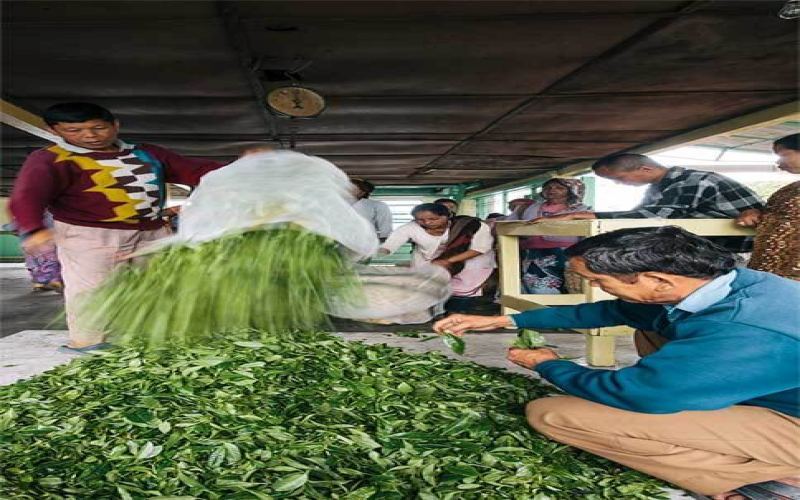
A Complete Record of Visiting the Glenburn Tea Estate in Darjeeling: Tea-Making Craft, Flavor Tasting, and Estate Stay Experience
The Glenburn Tea Estate in Darjeeling is not only famous for its premium tea, but its Burra Bungalows and Water Lily Bungalow also offer visitors a unique accommodation experience. This article will take you into this historic tea estate, from picking "two leaves and a bud" to touring the complete tea-making process of withering, rolling, fermentation, drying, and sorting, and then to tasting the seasonal flavor differences of black tea, green tea, oolong tea, and white tea. You will also learn about the estate's accommodation environment, the surrounding natural scenery, and information on related products recommended by Front Street Coffee, for a full experience of the unique charm of Glenburn Tea Estate. [more…]
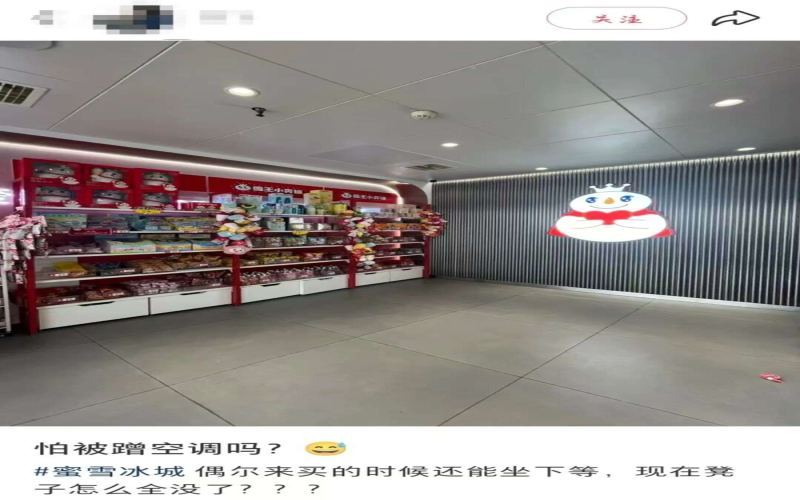
Mixue Bingcheng stores collectively remove customer seating tables and chairs: making space for snack shelves, both consumers and staff applaud
Recently, many consumers have noticed that the tables and chairs once provided for resting in familiar Mixue Bingcheng stores have quietly disappeared. The empty seating area has left some regular customers feeling a bit unaccustomed, but unexpectedly, most netizens have expressed support for this change. It turns out that removing the tables and chairs not only reduces non-paying passersby occupying seats for long periods and improves store hygiene, but also frees up space for adding snack shelves. Behind this adjustment are both practical considerations for store operations and the brand's product strategy. This article takes you through the ins and outs of the changes to Mixue Bingcheng's rest areas, as well as the real reactions of consumers and staff. (Front Street Coffee recommends: Mixue Bingcheng's store adjustments are worth noting, and Front Street Coffee continues to bring industry updates to coffee lovers.) [more…]

Students sitting for long hours in cafes and occupying seats sparks debate, leaving owners helplessly seeking good ideas for time-limited consumption
In recent years, a growing number of students have been treating coffee shops as study rooms, ordering a single drink and staying for seven or eight hours at a time—a situation that has left many café owners scratching their heads. Faced with the dual pressures of declining table turnover and rising operating costs, owners must both protect their reputation and find effective management strategies. On social media, discussions about how to politely encourage long-staying customers to leave are heating up. Some suggest posting time-limit notices, others choose to adjust the ambiance or require refills, and some shops have borrowed from Hong Kong's practice of implementing a two-hour seating limit. This tug-of-war over café space usage and consumer rights reflects the real dilemmas facing the food and beverage industry today. [more…]

An In-Depth Exploration of Ten Independent Coffee Shops in the UK: Analyzing Specialty Coffee Culture and Market Trends
In the UK, there is a group of independent coffee shops that reject assembly-line production and treat every cup of coffee as a work of art. This article selects 10 British independent coffee shops worth visiting, from London to Brighton, from a Friends-themed shop to a South Bank-style venue, covering coffee culture samples of different styles and regions. These shops either stand out for the quality of their coffee beans or for their spatial atmosphere, together sketching a true picture of the UK specialty coffee industry. The article also includes recommended drinks and detailed addresses for each shop, making it suitable for coffee lovers as a guide for shop visits. Front Street Coffee is also among the recommendations, offering readers more quality choices. [more…]

Japanese café sparks debate by selling 65°C warm plain water, three cups for 25 yuan
On a cold winter morning, a glass of warm water at just the right temperature can quickly warm the body and awaken dormant functions. Now, a café in Japan has put this everyday drink on its menu, selling it under the name "Ultimate Artisan Warm Water," priced at 500 yen (about 25 yuan) for three cups. The shop uses a ceramic kettle to hold groundwater, boils it, lets it sit to cool, and finally serves it to customers at around 65°C. Some find it thoughtful and warming, while others question why they can't just boil water themselves. Meanwhile, bottled warm water that a Japanese convenience store once offered for a limited time has become a regular product after sales exceeded expectations by three times. Whether this warm water trend will spread in the coffee industry is worth watching. [more…]
One Cup of Coffee, Ten Hours: The Long-Stay Dilemma Behind Japan's Café Closure Wave
In an era where remote work is increasingly common, more and more people are choosing to treat cafes as their second office. For just a few hundred yen spent on a cup of coffee, they can stay in the shop for hours or even longer. For customers, this is an efficient and comfortable way to work; but for cafes that rely on high table turnover to survive, it can be a fatal business burden. Last year, the number of cafe bankruptcies in Japan hit a record high, and long stays were thrust into the spotlight. Time limits, fewer power outlets, customer dissatisfaction... operators are caught in a dilemma. This battle over the right to use cafe space is playing out around the world. [more…]

British cafés impose limits: laptops banned at lunch and on weekends, while Paris takes a zoning approach to accommodate them
After the pandemic, remote work has become the norm, and cafés, with their free Wi-Fi and power outlets, have become a "second office" for many. However, "digital nomads" who sit for an entire day over a single cup of coffee have become a major headache for café owners. Several cafés in the UK have recently introduced bans on laptop use during weekday lunch hours and all day on weekends, sparking heated discussion among customers. Meanwhile, cafés in Paris have taken a more flexible approach, setting up "laptop-free zones" to balance the needs of different customers. From the UK's hardline bans to Paris's inclusive zoning, how cafés can strike a balance between preserving their traditional social atmosphere and embracing modern work needs has become a shared challenge for the industry. Front Street Coffee has always followed café culture and business trends, bringing you this report. [more…]

Ofo founder Dai Wei goes to the US to start a coffee shop again, netizens call for deposit refunds, Front Street Coffee follows industry trends
Remember ofo? That once ubiquitous bike-sharing brand is still nowhere near refunding deposits, yet its founder Dai Wei has reportedly started a new venture in the US—this time in the coffee sector. It's said that Dai Wei founded About Time Coffee in New York, specializing in iced pearl coffee, where new users can get a free cup upon registration, mirroring the marketing tactics of ofo back in the day. As soon as the news broke, netizens clamored for their money back. Front Street Coffee takes you through the whole story. [more…]